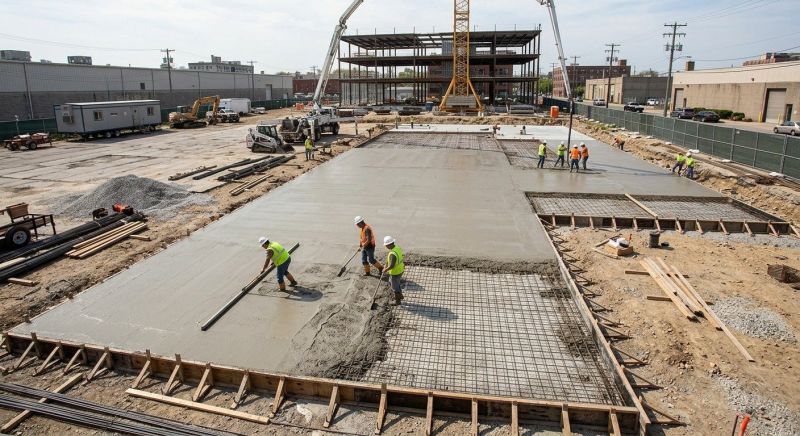
Commercial Slab Installation in Lansing, MI
Commercial slab installation services involve preparing and pouring concrete foundations for various types of property projects, including parking lots, loading docks, walkways, and building pads. This process ensures a stable, level surface that supports heavy equipment, vehicles, or foot traffic. Property owners typically seek this service when constructing new commercial buildings, expanding existing facilities, or upgrading outdoor spaces to improve durability and safety. Before requesting a slab installation, it’s helpful to understand the scope of the project, site conditions, and any specific load requirements to ensure the foundation meets the needs of the intended use.
Property owners should consider factors such as the size and thickness of the slab, soil conditions, and drainage needs, which can influence the longevity and performance of the installation. It’s also important to clarify the desired finish and any additional features like reinforcement or insulation. Proper planning and communication about these details can contribute to a successful project, resulting in a durable and functional foundation for commercial purposes.
Many property owners in Lansing, MI look into Commercial Slab Installation for repairs, replacements, upgrades, and appearance-related improvements.
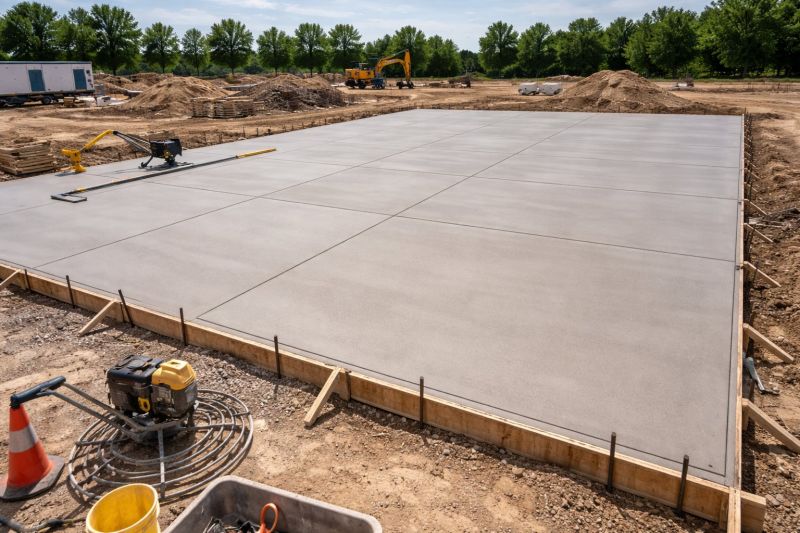
Commercial Slab Foundation Types
Different projects may require various slab options to suit structural needs and usage.
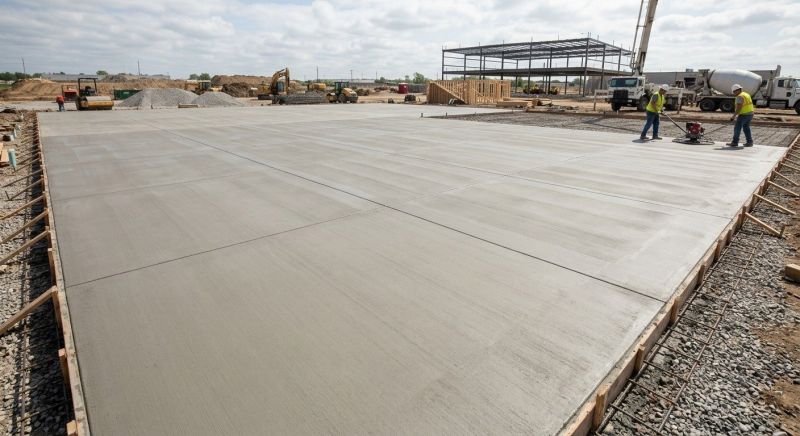
Benefits Of Professional Installation
Properly installed slabs provide durability and stability for commercial buildings and parking areas.
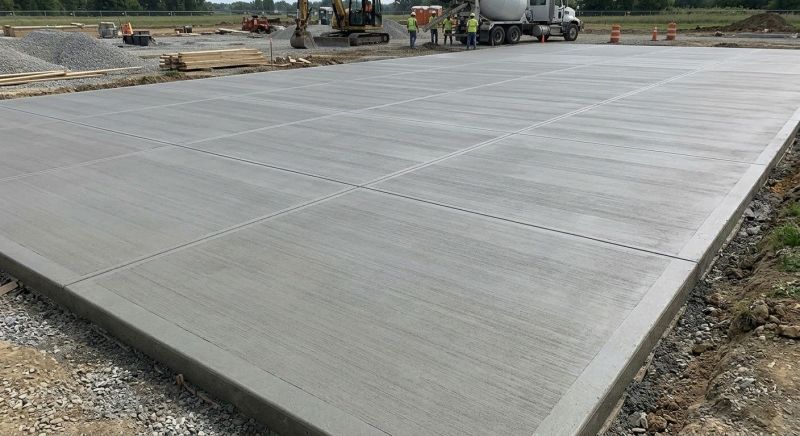
Common Applications
Commercial slabs are essential for warehouses, retail spaces, loading docks, and outdoor seating areas in lansing, mi.
Commercial Slab Installation in Lansing, MI

Commercial slab installation services involve preparing and pouring concrete foundations for various types of property projects, including parking lots, loading docks, walkways, and building pads. This process ensures a stable, level surface that supports heavy equipment, vehicles, or foot traffic. Property owners typically seek this service when constructing new commercial buildings, expanding existing facilities, or upgrading outdoor spaces to improve durability and safety. Before requesting a slab installation, it’s helpful to understand the scope of the project, site conditions, and any specific load requirements to ensure the foundation meets the needs of the intended use.
Property owners should consider factors such as the size and thickness of the slab, soil conditions, and drainage needs, which can influence the longevity and performance of the installation. It’s also important to clarify the desired finish and any additional features like reinforcement or insulation. Proper planning and communication about these details can contribute to a successful project, resulting in a durable and functional foundation for commercial purposes.
Many property owners in Lansing, MI look into Commercial Slab Installation for repairs, replacements, upgrades, and appearance-related improvements.
Common Commercial Slab Installation Jobs
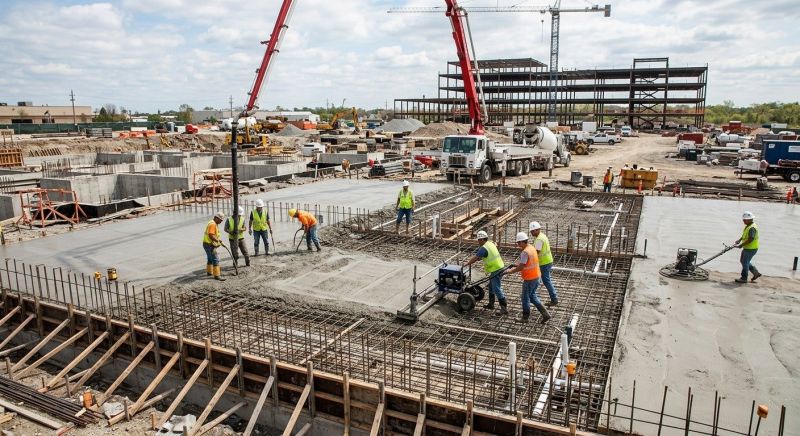
Commercial slab installation involves preparing and pouring concrete for building foundations and large-scale flooring.
Parking lot slabs provide a durable surface for vehicle traffic and access points.
Loading dock slabs support heavy equipment and frequent vehicle movements at commercial sites.
Sidewalk and walkway slabs enhance pedestrian safety and accessibility around commercial properties.
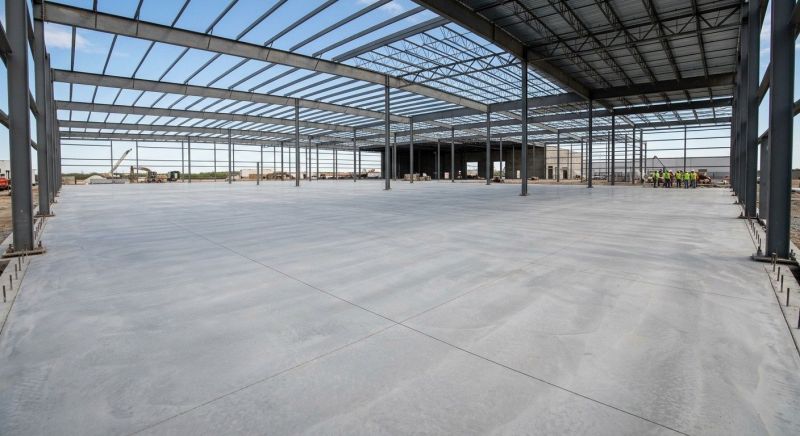
Industrial floor slabs are designed to withstand heavy loads and high traffic in warehouses and factories.
Retaining wall slabs help manage soil stability and create level surfaces for commercial landscapes.
Commercial Slab Installation Questions
What types of projects require a commercial slab? Commercial slabs are often used for building foundations, parking lots, loading docks, and outdoor work areas on commercial properties.
What is the purpose of a concrete slab in commercial construction? A concrete slab provides a sturdy, level surface that supports structures, equipment, and heavy traffic in commercial settings.
How thick should a commercial slab be for different applications? Thickness varies based on use; for example, parking areas typically require 4 to 6 inches, while loading docks may need 6 inches or more.
What should property owners consider before installing a commercial slab? It’s important to evaluate soil conditions, drainage needs, and load requirements to ensure proper slab design and longevity.
Request Commercial Slab Installation in Lansing, MI
Use the quote form on this page to share the basics of your project and request more information for the type of work you need.